
Are Gymshark Alternatives Better for Durable Activewear?
Last Updated: October 26, 2026
Quick Summary
Gymshark alternatives can be better for durable activewear if you judge them on fabric weight, reinforced seams, stretch recovery, and colorfastness instead of style. Apply the same five-point durability check to every brand you consider, since seam integrity and stretch recovery usually fail first.
Heavier mid-weight to heavyweight knits resist abrasion, pilling, and sheerness better than ultra-light fabrics.
Flatlock or reinforced seams at the crotch, inner thigh, and shoulder reduce chafing and blowouts.
Wash cold, inside out, skip fabric softener, and air-dry to protect elastane and odor control.
Cost per wear is price divided by wears, so gear replaced often costs more than better-built pieces.
Vuori leans toward heavier structured knits, while Gymshark favors lighter performance fabrics with mixed long-term wear reports.
Table of Contents
Why Gymshark Isn't Your Only Option for Durable Activewear
Gymshark built a massive following on style and influencer marketing, but durability is where a growing number of shoppers start asking harder questions.
The short answer: Gymshark is not your only option, and for high-frequency training it may not be your best one.
Here is the part most guides get wrong. They rank brands by hype and fit, then treat longevity as an afterthought.
What to Look for in Durable Workout Clothes
Durability comes down to four things: fabric weight, seam construction, stretch recovery, and colorfastness. Get those right and a garment survives years of training. Get them wrong and you're replacing leggings every few months.
Start with fabric weight. Heavier knits generally resist abrasion better than thin, sheer ones, though they need decent breathability to stay wearable. Then check the seams.
Stretch recovery matters just as much. A fabric that snaps back into shape after a deep squat will hold its fit; one that stays stretched out is already failing.
For a deeper walkthrough of these buying criteria, see our guide on how to buy durable gym clothes that last.
Fabric Weight and Construction Details That Matter
Fabric weight: mid-weight to heavyweight knits resist pilling and sheerness better than ultra-light ones
Seam type: flatlock or reinforced seams reduce chafing and blowouts
Stretch recovery: look for elastane blends that return to shape after movement
A common mistake is judging fabric by feel alone in a store or on a product photo. Softness tells you nothing about abrasion resistance. Construction details do.
Durability comes down to a short list of construction details you can check before you buy.
Feature | What to look for | Why it matters |
Fabric weight | Mid-weight to heavyweight knits | Resist pilling and sheerness better than ultra-light ones |
Seam type | Flatlock or reinforced seams | Reduce chafing and blowouts at high-stress zones |
Stretch recovery | Elastane blends with a stated recovery claim | Fabric returns to shape after movement instead of bagging |
Moisture-wicking | Moves sweat away from skin | Keeps gear wearable through heavy sweat |
Colorfastness | Dark dyes that survive repeated washing | Prevents fading over time |
Odor control | Treated or naturally odor-resistant fabrics | Holds up past a few washes |
Gymshark vs Vuori Clothing Quality: A Durability Breakdown
Most comparisons of Gymshark and Vuori stop at fit and style. That misses the point of this keyword. The real question is which brand's construction survives repeated washing, heavy sweat, and high-frequency training without pilling, fading, or losing stretch. Here is a durability-first breakdown, plus the testing lens you should apply to any alternative brand.
How to read a durability comparison
Before comparing two brands, know what you are measuring. A useful durability assessment looks at five things:
Fabric weight and fiber blend: heavier knits and higher-elastane blends generally resist abrasion and bagging better than thin, stretch-heavy fabrics.
Seam construction: flatlock and reinforced stitching distribute tension better than basic overlock stitching, especially at the crotch, inner thigh, and shoulder seams.
Stretch recovery: how quickly the fabric returns to shape after a deep squat or a long run.
A common pattern in wear-and-wash reviews is that both brands perform well when new, then diverge after several months of frequent use. The divergence usually shows up first at seams and waistbands, not in the fabric hand-feel.
Where Gymshark and Vuori diverge
Vuori generally leans toward heavier, more structured knits built for daily wear beyond the gym. That construction tends to hold shape and resist pilling well, though the gym-specific performance range is narrower and the entry price is higher.
Neither brand is the automatic winner. If you want studio-to-street versatility and heavier construction, Vuori has the edge. If you want training-focused fits at a lower entry point, Gymshark remains competitive.
Key Takeaway Judge both brands on seam reinforcement, stretch recovery, and colorfastness after repeated washes, not on how soft the fabric feels in the store. Softness tells you nothing about abrasion resistance.
A simple at-home durability test you can run
You do not need a lab to compare two garments. A consistent wear-and-wash routine gives you usable evidence:
Wear each piece for three to five training sessions of similar intensity.
Wash cold, inside out, and air-dry both garments the same way.
Check seams after each wash for loose threads, puckering, or separation at high-stress zones.
Test stretch recovery by holding a deep squat for ten seconds and noting whether the fabric snaps back or stays bagged.
Compare color against a photo taken on day one to spot fading.
Most practitioners find that seam integrity and stretch recovery are the first things to fail, which is why those two checks matter more than any marketing claim.
What this means for your next purchase
If you are replacing Gymshark because of durability concerns, do not simply switch to the next hyped brand. Apply the same five-point check to every alternative you consider. A brand that publishes care guidance, reinforces high-stress seams, and uses fabrics with a stated recovery claim is a safer bet than one that only markets style. For a broader comparison of men's options, see our roundup of Black-owned fitness clothing brands to shop in 2026.
Durable Men's Activewear Brands That Hold Up to High-Intensity Training
High-intensity training punishes apparel in specific places: inner thighs, crotch seams, shoulder seams, and waistbands. Brands that reinforce those zones earn their place in a serious rotation. But durability is not one-size-fits-all. The right men's activewear depends on how you train and how often you wash.

Match the garment to the activity
A common mistake is treating all activewear as interchangeable. It is not. Use this activity-by-activity guide to narrow your options:
Heavy lifting: prioritize reinforced crotch and shoulder seams, mid-weight to heavyweight knits, and shorts with a gusseted crotch. Stretch recovery matters more than breathability here.
Running and conditioning: prioritize moisture-wicking fabrics, flatlock seams to reduce chafing, and lighter weights that dry quickly. Check for odor-control treatment that survives repeated washes.
HIIT and functional training: prioritize abrasion resistance at the inner thigh and waistband, plus four-way stretch that snaps back after deep squats and lunges.
Frequent weekly use (five or more sessions): prioritize colorfastness and pilling resistance, because frequent laundering is what breaks most garments down first.
What to check before you buy any men's brand
When evaluating any men's brand, ask four questions:
Are the high-stress seams reinforced? Look for flatlock or double-stitched construction at the crotch, inner thigh, and shoulder.
Does the fabric hold shape after repeated washing? Check the fiber blend and any stated recovery claim.
Does the brand stand behind odor control beyond a few washes? Treated fabrics should say so, and reviews should mention longevity, not just first-wear freshness.
Does the brand publish care guidance? A brand that tells you how to wash its gear is usually a brand that expects it to last.
Pro Tip Run the at-home wear-and-wash test from the previous section on any new men's piece before you commit to a full rotation. Three to five sessions and a few cold washes will reveal more than any product photo.
A durability-first option worth considering
Fit Clothing approaches this from a reinforced-durability angle. Our gear uses moisture-wicking fabric with odor-control technology, built for people who train hard and want apparel that transitions from the gym floor to daily wear.
That matters for durability because fast fashion cycles reward frequent replacement. A brand built around long-term habits has an incentive to reinforce seams, choose fabrics that recover, and publish care guidance that keeps gear in rotation longer.
How to build a durable men's rotation
A practical rotation mixes pieces by activity rather than buying one brand head to toe. Start with two training shorts built for lifting, one lighter pair for conditioning, and two tops with moisture-wicking and odor-control treatment. Wash cold, air-dry, and rotate so no single piece is washed every day.
For a broader comparison of men's options, see our roundup of Black-owned fitness clothing brands to shop in 2026.
How to Care for Workout Clothes So They Last Longer
Most premature activewear failures are care problems, not manufacturing ones. Heat is the enemy.
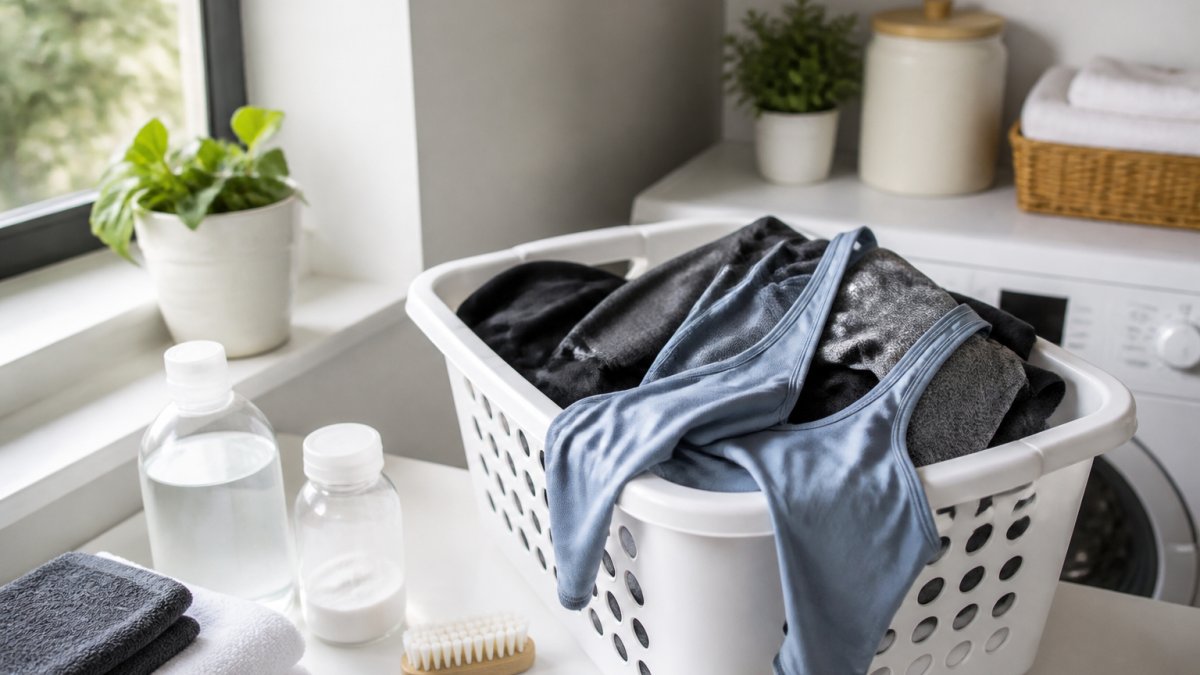
Wash cold, inside out, with mild detergent and no fabric softener. Skip the dryer entirely or use the lowest heat setting.
A simple routine:
Turn garments inside out before washing
Use cold water and a gentle cycle
Skip fabric softener and dryer sheets
Air-dry whenever possible
Wash technical fabrics separately from rough items
Watch out: washing sweat-soaked gear in a hot load "for hygiene" is the single most common way people destroy stretch and odor-control performance. Cold water and prompt drying do the job better.
Cost Per Wear: The Real Math Behind Durable Activewear
Cost per wear is the price of a garment divided by the number of times you actually wear it.
Run the numbers on your own rotation. Take the price you paid, divide by the wears you realistically get, and compare across brands.
This is where durability claims need scrutiny. Ask whether the brand publishes care guidance, whether odor-control and stretch claims come with any guarantee, and whether reviews mention longevity rather than just fit.
Finding Your Next Pair of Training Shorts or Leggings
Your next pair should match your training, not a trend cycle. If you lift heavy, prioritize reinforced seams and stretch recovery. If you run or do HIIT, prioritize moisture-wicking and breathability. If you go from a 6 AM session straight to a desk, prioritize fabric that looks as good as it performs.
Browse the full high waist capri leggings range or explore the POWA high-waist yoga leggings if you want a durable alternative for your next rotation.
Frequently Asked Questions
What activewear brands are similar to Gymshark but more durable?
Several brands focus on durable activewear with reinforced seams and abrasion-resistant fabrics. Look for those that publish fabric weight (GSM) and construction details. Fit Clothing, for example, emphasizes reinforced durability and odor-control technology, making it a solid alternative for high-intensity training. Other options include brands that use flatlock stitching and four-way stretch fabrics. Always check return policies and real customer feedback on longevity before committing to a full rotation.
What should I look for in durable workout clothes?
Prioritize fabric weight (heavier knits resist pilling), seam type (flatlock or reinforced stitching reduces chafing and blowouts), and stretch recovery (elastane content above 15% helps maintain shape). Moisture-wicking finishes and odor-control treatments add longevity between washes. Also check for gusseted crotches in shorts and leggings, which prevent premature wear. Fit Clothing's reinforced durability and moisture-wicking fabric address these points directly, and their odor-control technology helps reduce wash frequency, extending garment life.
How can I make my activewear last longer?
Wash cold on a gentle cycle, turn garments inside out, and avoid fabric softener (it clogs moisture-wicking fibers). Air dry when possible; high heat breaks down elastane. Rotate your gear to reduce wear frequency. For odor control, use a sport-specific detergent. Fit Clothing's odor-control technology is designed to hold up over repeated washes, but following these care steps will maximize any durable activewear. Check the care label for specific instructions, and consider a mesh laundry bag for leggings and sports bras.
Is Gymshark or Vuori better quality for durability?
Both brands have strengths, but durability depends on the specific line. Gymshark's seamless collections are popular but can pill with heavy friction; Vuori's performance fabrics often use higher elastane content for stretch recovery. Neither brand publishes abrasion-resistance data, so real-world feedback matters. Fit Clothing differentiates by focusing on reinforced durability and odor-control technology, aiming to bridge the gap between comfort and long-term wear. For high-intensity training, look for reinforced seams and heavier fabric weights regardless of brand.
Durability is a discipline, and it starts with choosing gear built to keep up with your training rather than your feed. Fit Clothing makes reinforced, moisture-wicking apparel with odor-control technology and motivational design, built by a Black-owned business for people who take their movement seriously. Join our email list today and get gear that's as resilient and motivated as you are.
JOIN our email list TODAY!
Add fitclothing.us as a preferred source on Google →

Comments